
Every winter, the forecast says “ice,” and the whole town sprints to the store. Good ice storm preparation means you skip that sprint entirely. You already have the batteries. You already have the water. Meanwhile, your neighbors fight over the last loaf of white bread like it’s a lifeboat seat. This guide walks you through it early, while the shelves are still full and nobody is yelling.
I’m not a prepper. I don’t own a bunker, and I have no plans to dig one. I’m a dad and a grandpa who hates crowds. That turns out to be excellent motivation. So this is the plan I actually use, minus the parts I learned the hard way.
Why Ice Storm Preparation Beats the Night-Before Grocery Riot
Ice storms are sneaky. A snowstorm at least looks dramatic on the radar. Ice, however, arrives quietly and then breaks everything at once. Trees snap. Soon after, power lines sag and fall. Roads turn into skating rinks without the fun music.
Because of that, the real trouble often starts after the storm ends. Crews may need days to restore power in hard-hit areas. As a result, you might spend a long weekend in a cold, dark house with whatever you remembered to buy.
The goal here is simple. Buy those things now, when nobody else wants them. Of course, batteries in October feel pointless. That’s exactly why the shelves are full.
Freezing Rain, Explained Without the Meteorology Lecture
Freezing rain falls as liquid. Then it hits a cold surface and turns to ice on contact. Sleet, on the other hand, freezes before it lands and bounces like tiny pellets. Freezing rain is the worse of the two because it coats everything in a glaze.
That glaze adds up fast. Even a quarter inch of ice can add hundreds of pounds to a single span of power line. In other words, a freezing rain power outage isn’t bad luck. It’s physics doing its job.
Your Ice Storm Checklist, Built Slowly on Purpose
The trick with an ice storm checklist is pacing. You don’t buy it all at once. Instead, you add one or two items to your normal shopping trips. After a month, you’re done, and your wallet barely noticed.
Start with these basics:
- Water: one gallon per person per day, for at least three days
- Shelf-stable food and a manual can opener
- Flashlights, LED lanterns, and spare batteries
- Power banks, charged and ready
- Extra blankets, hats, and wool socks
- Prescription refills
- Some cash, since card readers need power too
- A basic first aid kit
- Pet food, if you’re outnumbered by animals
Then adjust for your household. Also adjust for your stubbornness about camping stoves.
Water and Food Come First
Plan on one gallon of water per person per day. Aim for at least three days, although a week is better. Also, if you have a well, remember that the pump needs power. No electricity means no water, which is a surprise nobody enjoys.
For food, pick things you’d actually eat. For example, canned soup, peanut butter, crackers, and granola bars all work. Otherwise, skip anything that needs an oven. A manual can opener matters more than you’d think. Check that you own one. Plenty of people don’t.
Light and Heat Without the Grid
Flashlights beat candles. Candles start house fires, and nobody wants a fire during an ice storm. Instead, get LED lanterns and a pile of batteries. Next, grab a couple of power banks for your phones.
For heat, stock extra blankets and warm layers. Wool socks earn their keep here. In addition, you can buy a propane heater, but only one the maker labels for indoor use. Read the label twice. Then read it again.
Car Prep Counts as Ice Storm Preparation Too
Your car doubles as a phone charger and, in a pinch, a warm room. So fill the gas tank before the storm arrives. Gas stations need electricity to pump fuel, which surprises people every single time. Also, keep a scraper, a blanket, and a small kit in the trunk. For the full list, see our winter car checklist.
However, never run the engine inside a closed garage. Carbon monoxide builds up quickly, and it gives no warning.
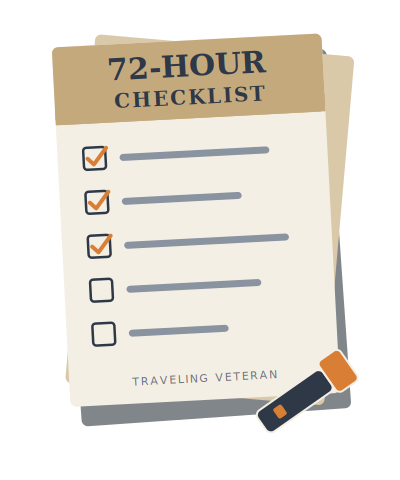
One sheet, front and back. Everything your house needs to ride out three days without power, sorted so you can knock it out in a weekend. Print it, stick it on the fridge, start checking boxes.
Ice Storm Preparation for Your Pipes
Frozen pipes are the gift that keeps on giving. First, they freeze. Then they crack. Finally, they thaw and flood your basement while you’re busy feeling relieved. The good news? You can prevent frozen pipes with a few cheap, boring steps.
How to Prevent Frozen Pipes Before the Temperature Drops
Start by finding your main water shutoff valve. Do this now, not while water sprays across the laundry room. Then tag it so that everyone in the house can find it.
Next, insulate exposed pipes in the garage, crawlspace, and attic. Foam pipe sleeves cost a few dollars at any hardware store. After that, disconnect garden hoses and cover outdoor spigots.
When the cold arrives, open the cabinet doors under sinks on outside walls. That lets warm air reach the pipes. Also, let faucets drip slowly. Moving water resists freezing, and the drip relieves pressure if ice forms. Yes, it feels wasteful. Still, a burst pipe feels worse.
If a Pipe Freezes Anyway
Sometimes a faucet only gives you a sad trickle. In most cases, that means ice is blocking the line. Keep the faucet open and warm the pipe gently with a hair dryer or warm towels. Above all, never use a torch or open flame. If a pipe bursts, shut off the main valve right away. Then call a plumber, along with everyone else in your zip code.
Surviving a Freezing Rain Power Outage
Eventually, the lights go out. Maybe it’s midnight. Maybe it’s right as the coffee finishes brewing, because the universe has a sense of humor. Either way, the work you did earlier now does the heavy lifting.
Staying Warm Without Setting Anything on Fire
First, pick one room and make it your base. Close the doors to the rest of the house. Hang blankets over windows, and roll a towel against drafty doors. After all, small spaces hold heat longer.
However, never bring a grill, camp stove, or outdoor generator inside. That includes the garage, even with the door open. In fact, carbon monoxide kills people every winter during outages. Therefore, install a battery-powered CO detector now. It costs less than any of the alternatives.
If you own a generator, run it outside and well away from windows and doors. Ready.gov has solid guidance on safe placement. Follow it, even when it’s sleeting sideways.
Staying Connected When Cell Service Wobbles
Cell towers usually run on backup batteries during an outage. Eventually, some of those batteries run down too. So text instead of calling, because texts squeeze through busy networks more easily. Also, switch your phone to low power mode and dim the screen.
Before the storm, write important phone numbers on paper. Your phone will die at the worst possible moment. That’s not pessimism. It’s tradition. In addition, a battery or hand-crank weather radio keeps you updated when the internet disappears. Similarly, a car charger turns your vehicle into a charging station. Just make sure the car sits outside, not in the garage.
Keeping Food Safe When the Fridge Quits
Keep the fridge and freezer doors shut. That’s the whole trick, and it’s harder than it sounds with bored kids around. A closed fridge keeps food cold for about four hours. Meanwhile, a full freezer holds its temperature for about 48 hours. A half-full one lasts about 24.
Here’s a bonus for lazy people. Fill empty freezer space with jugs of water now. They keep the freezer colder longer, and later they double as drinking water. After four hours without power, toss perishable fridge food. FoodSafety.govlists exactly what to keep and what to pitch. When in doubt, throw it out.
A Lazy Person’s Timeline for Ice Storm Preparation
You don’t need a spreadsheet. You need a rough schedule and a mild sense of shame about the dead batteries in your junk drawer.
In the fall: Build your kit slowly. Insulate pipes and find the shutoff valve. Test your flashlights, too. Also, refill prescriptions before you’re down to the last few pills.
When the forecast mentions ice: Charge everything you own. Next, fill the gas tank. Then fill a bathtub with water for flushing toilets.
The night before: Open the sink cabinets and start the faucet drip. Turn the fridge and freezer to their coldest settings. After that, bring in the pets and anything you’d hate to chip out of the ice tomorrow.
During the storm: Stay home. Honestly, emergency crews have enough to deal with. Instead, make soup, play cards, and let the people who didn’t read this article handle the bread aisle.
Ice Storm Preparation Is Boring. That’s the Point.
Nobody brags about their battery drawer. Still, the quiet, boring version of ice storm preparation is the one that works. You buy things early and fix the pipes before they freeze. As a bonus, you skip the parking lot chaos entirely.
So start this week. Grab one item from the checklist on your next grocery run. Then add another next week. By the time the first ice warning shows up, you’ll be the calm one on the block.

JT
I'm JT. I learned to fix heavy equipment in the military and never really stopped. Now I'm a dad and a grandpa who spends too much time thinking about what happens when the power's been out for four days. This site is where I write it down. No bunkers required.
One sheet, front and back. Everything your house needs to ride out three days without power, sorted so you can knock it out in a weekend. Print it, stick it on the fridge, start checking boxes.